
Recession Resistant Small Businesses


Everyone is affected when the economy enters a recession, but small business owners face an additional obstacle. Downturns can impact sales and profits, restrict credit access, slow collections and even lead to business bankruptcies.
Thankfully, some businesses tend to fare better during recessions than others. If you’re thinking of starting your own venture or simply want to increase your income, here are some tried-and-true tactics for finding recession-proof small businesses.
Reputation
Reputation is the public’s opinion of a brand, person, company, product or service. It plays an integral role in purchasing decisions, business partnerships and even voting for politicians.
It is an incredibly complex and powerful force, capable of shaping civilizations, culture, and even genocide. Yet it remains one of the most fundamental forces in human nature.
Economic expansion often leads to consumers spending more money, but when people are feeling financially squeezed and uncertain about the future, spending tends to slow down.

In a recession, this can be especially challenging for your business. That is why it’s essential to adjust your marketing strategy in light of the shifting economy and market conditions.
A strategic digital marketing approach can keep your recession-resistant small business competitive and profitable, no matter the economic climate. By staying informed on current trends and data, you can craft a marketing plan tailored to meet the demands of your customers.
Customer Service
A great customer service experience is essential for maintaining loyal customers who will spread the news about your company and help it expand. Studies have demonstrated that increasing customer retention rates by 5% has exponential returns, increasing profits by 25% to 95%.
Businesses that want to provide excellent customer service must first understand their customers’ needs and then offer solutions that satisfy those requirements. Most consumers have seven basic desires, such as friendliness, empathy, fairness, control and alternatives.

Recession-resistant small businesses rely on these basic needs to deliver outstanding customer service that keeps customers coming back.
A top customer service strategy is providing omnichannel support, meaning agents can answer questions across all communication channels (phone, email, live chat, social media). This enables them to switch quickly and seamlessly between channels so customers are able to contact a friendly agent quickly and get their issue resolved. Furthermore, this saves them time since they don’t have to rekey information or repeat it back to their agent multiple times.
Cash Flow
Cash flow, also known as operating capital, refers to the money that enters your company from customers or suppliers and leaves after paying expenses. It’s a basic yet vital concept that can make or break a business.
A recession can have a significant impact on cash flow for businesses of all sizes, but small ones are particularly vulnerable due to having fewer resources and limited access to credit than their larger counterparts.
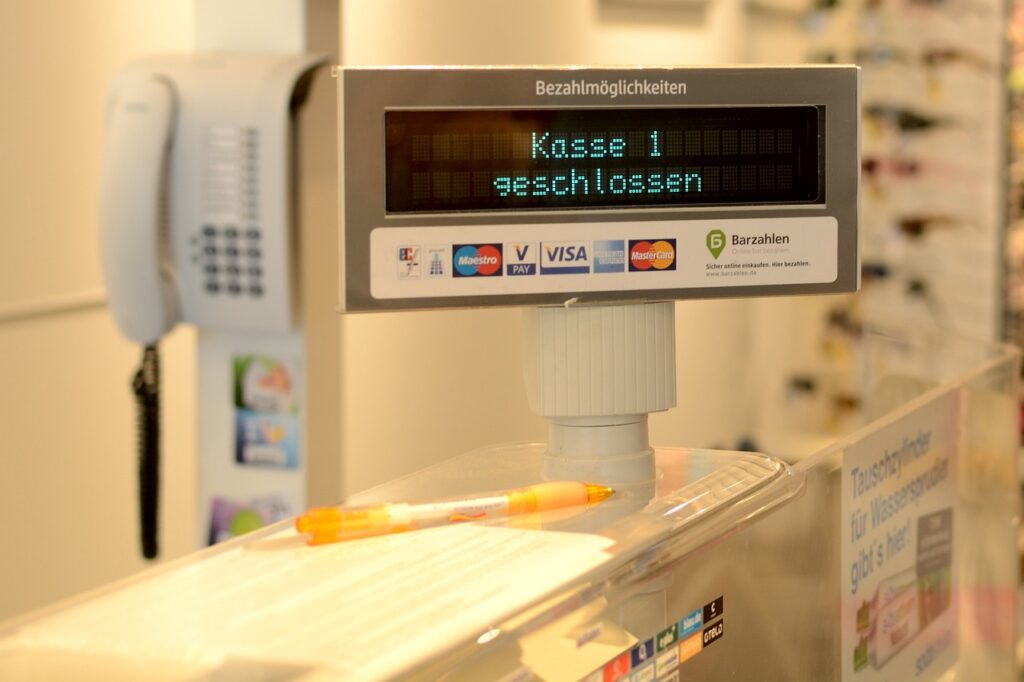
To successfully weather a recession, you must be proactive. The best way to do that is by creating an economic emergency plan.
The initial step in this plan is to nurture your customer relationships, even during times of economic difficulty. Establishing strong connections can help your business weather any economic storm that comes its way.
Marketing
Businesses that maintain their competitive edge by increasing marketing and advertising spending during recessions usually do better during recovery. This is because it’s more challenging for competitors to cut budgets during a downturn, so aggressive marketing during this time is the best way to keep your company name in front of potential customers.
In times of economic difficulty, businesses and their customers often focus on saving cash by cutting expenses and delaying payment of invoices. As a result, many forgo expensive purchases like vacations, dinners out or catered lunches.

No matter the economic downturn, people still require food, shelter and other essential necessities of life. That makes businesses like plumbers, electricians and mechanics an attractive investment during this period.
Furthermore, specialized products or services that have minimal competition or are trademarked can benefit during a recession since they don’t need to compete for market share. Furthermore, companies with established reputations tend to do well during downturns since their business operations remain steady.