How Do You Make a Good To-Do List?


An effective to-do list can help you organize and prioritize your tasks, providing a sense of achievement when completed tasks are checked
To-Do
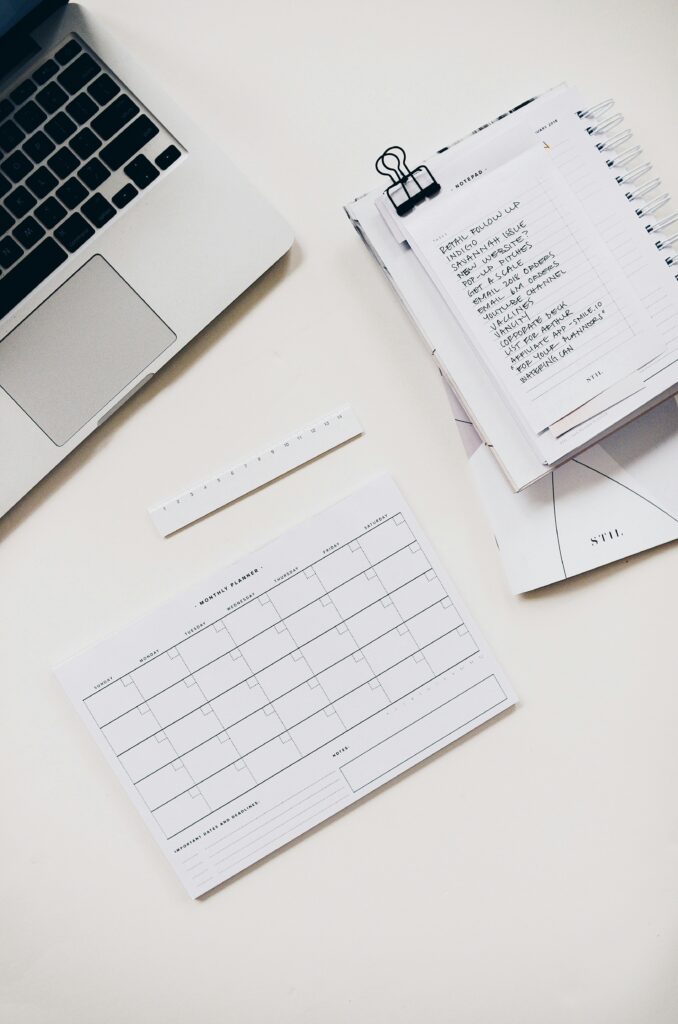
But how can you create an effective one? It doesn’t have to mean writing things down on paper and sticking them around your home. It could also mean making an organized document on your smartphone. Write it down.
A good to-do list should contain clear and concise tasks to help prevent procrastination and make tasks feel manageable. One way to do this is by including time estimates or turning your list into a schedule using techniques like Kanban.
Break large tasks into smaller, manageable steps for greater effectiveness and success. For example, instead of writing “write essay,” you could write “write research essay.” Instead of “send Julie a presentation,” you could write “follow up with Julie about the presentation.”
Consider posting your to-do list somewhere you’ll see it throughout the day (e.g., on your desk or next to your phone). This will remind you of the tasks you need to complete, help keep you accountable, and provide a motivational boost. Sharing it with others can be even more effective. Don’t forget it.

No one likes coming home at the end of the day only to realize they didn’t accomplish everything on their list. That’s why keeping your to-do list updated is essential—it helps you remember your goals and work toward them more successfully.
A key feature of an effective to-do list is setting due dates or deadlines for each task. This makes it clear which tasks are most urgent and helps you prioritize them throughout your day and week.
One of the best ways to stick to your list is to share it. Sharing it with a coworker or friend can keep you accountable, on track, and more realistic about what needs to be done and how long it will take. Others may also review your list more objectively than you. Finally, adding “nice-to-dos” or removing low-value tasks can make your list feel less overwhelming and stressful. Check it off.
An effective to-do list makes tackling tasks easier by helping you focus on high-priority work instead of getting sidetracked by low-priority items like vacuuming or compiling minor reports.
Prioritize tasks according to urgency and impact for maximum efficiency. This allows you to “eat that frog” first—the hardest task of the day—making the rest of your day more manageable.
Checking off completed tasks is an excellent way to boost motivation and create a sense of achievement. It also helps overcome the Zeigarnik Effect, which states that unfinished tasks linger in our minds, reducing our focus. That’s why it’s important to complete tasks promptly—whether that means marking them as complete or checking them off.