
A Guide to a Healthy Diet

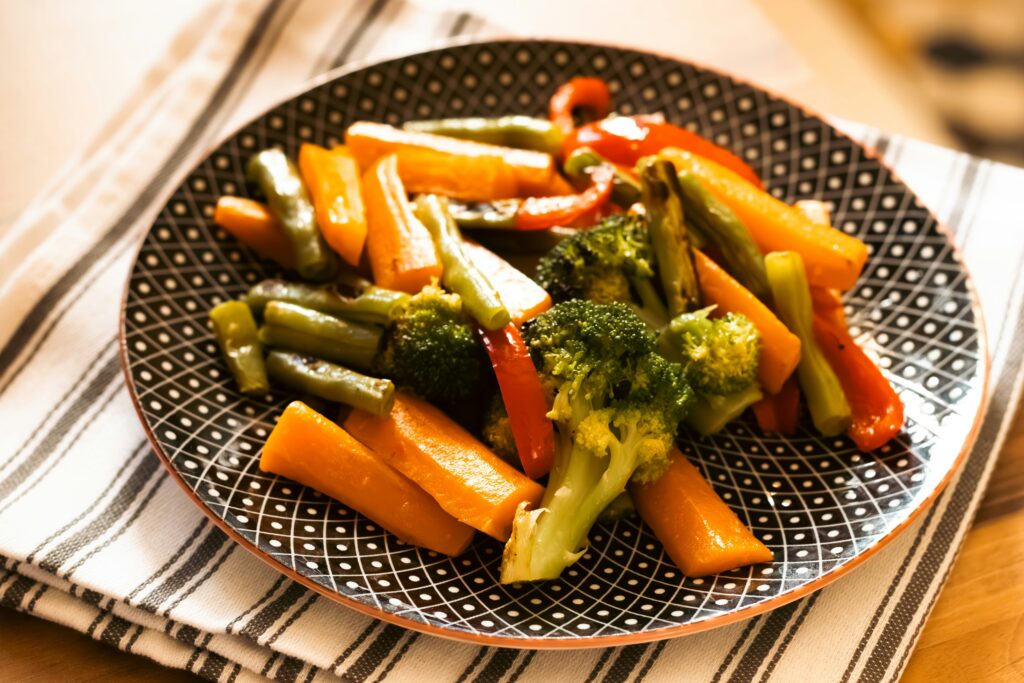
Disease reduction: Increasing intake by every additional 200 grams/day of fruits and vegetables is linked to an 8% lower risk of coronary heart disease, a 16% lower risk of stroke, an 8% reduced cardiovascular disease risk, a 3% lower cancer risk, and a 10% reduced premature death—up to about 800 g/day, according to EUFIC. Cardiovascular benefits: Diets rich in fruits and vegetables can lower blood pressure and heart disease risk. In one large meta-analysis, each extra serving per day correlated with a ~4% lower risk of cardiovascular death. The Nutrition Source AFMC. Vitamins & Minerals: High in vitamin C, vitamin A (beta-carotene), vitamin K, folate, magnesium, and antioxidants like phytochemicals. Better Health Channel PMC. Fiber: Supports healthy digestion, satiety, cholesterol reduction, and blood pressure control. Better Health Channel, AFMC CDC. Eat the rainbow: Eat a variety of colors—greens, oranges, reds, legumes, and citrus—to capture diverse nutrients. The Nutrition Source AFMC. Accessibility win: Keep fruits visible and ready to eat—washed and prepped—to boost intake. The Nutrition Source AFMC.
Cardiovascular & metabolic benefits: Whole grains lower the risk of heart disease, stroke, and type 2 diabetes and improve digestion and cholesterol levels. www.heart.org wholegrainscouncil.org. Longevity: Daily consumption—around 70 g (four servings)—was associated with a 23% lower risk of CVD death and a 20% lower risk of cancer death in a large cohort study, Harvard Health. Full grain profile: Contains bran, germ, and endosperm—offering fiber, B vitamins, iron, magnesium, and selenium. www.heart.org MyPlate. Beta-glucan power:Oats’ and barley’s soluble fiber (beta-glucan) helps lower LDL cholesterol and support blood pressure and blood sugar control. PubMedEatingWell Wikipedia. Go whole ≥50%: Aim for at least half your grains to be whole—three fiber-rich whole-grain servings a day are recommended (www.heart.org). Mayo Clinic. Identify the real deal: Look for “whole” in the ingredients or the Whole Grain Stamp—products with ≥16 g per serving get the “100% Whole Grain” label. Wikipedia+1 The Guardian Fruits & Vegetables: Meta-analysis data shows strong, dose-dependent protective effects—especially cardiovascular—so the “eat more and varied” mantra is well-supported. EUFIC The Nutrition Source. Whole Grains: While not every study shows causation due to confounding factors, the prevailing scientific consensus supports their health benefits across multiple outcomes—particularly heart health and longevity. wholegrainscouncil.org Harvard Health. Health outcomes differ by source. A diet higher in plant-based proteins relative to animal-based proteins is associated with significantly lower cardiovascular disease and coronary heart disease risk—up to 19% and 27%, respectively—especially when plant proteins constitute higher total energy intake, Harvard Chan School of Public Health. Furthermore, substituting plant proteins for animal proteins—particularly processed red meat—can substantially reduce all-cause mortality by up to 34% PMC+1. Longevity advantages with plant proteins
Adults with greater access to plant-based protein sources tend to live longer—an effect linked not just to quantity but also to the quality and environmental footprint of their diet. Food & Wine Harvard Chan School of Public Health. Animal proteins support lean muscle—especially in younger adults. Meta-analyses show that animal proteins can modestly increase absolute and percent lean mass—particularly in adults under 50—though these differences are small and may not significantly affect strength PMC. However, when resistance exercise is involved, protein source (plant vs. animal) appears to make little difference, PMC Oxford Academic. Health risks and kidney impact
Animal proteins are associated with higher phosphorus and acid loads, which can stress kidney function—especially in individuals with chronic kidney disease—while plant proteins tend to be gentler on the kidneys. The Times of India. Blend protein sources
Use combinations like pea and rice protein to achieve amino acid profiles similar to animal-derived protein (PDCAAS of 1.00), PMC.
Enriched or blended plant proteins can more effectively stimulate muscle protein synthesis, Lippincott Journals Oxford Academic. Balance for longevity and metabolism
Favor plant-based protein sources (legumes, nuts, soy, and whole grains) for long-term health and sustainability. Incorporate lean animal proteins (fish, poultry, low-fat dairy, and eggs) as complements, not primary sources. Health impacts. Added sugars contribute to obesity, type 2 diabetes, heart disease, and elevated blood pressure through mechanisms like insulin resistance, according to the CDC Health. The US Dietary Guidelines (2020–25) recommend less than 10% of daily calories, with many experts advocating for as low as 6%—about 30 g (7 teaspoons) per 2,000-calorie day (Dietary Guidelines CSPI). The American Heart Association recommends no more than 6% of daily calories—around 6 teaspoons (women) and 9 teaspoons (men). www.heart.org. Surprising effect of sugar on blood pressure
Recent research emphasizes that excessive added sugar may raise blood pressure as much as—or even more than—salt does, through uric acid-mediated vascular constriction and increased insulin resistance, elevating disease risk up to 21%. The Times of India. High sodium intake raises blood pressure and is linked to heart disease, stroke, kidney disease, gastric cancer, and more—contributing to nearly 1.9 million deaths worldwide annually. World Health Organization Food and Drug Administration.
American Heart Association (2025 update): ideal sodium intake ≤ 1,500 mg/day; absolute limit ≤ 2,300 mg/day. The US Dietary Guidelines (2020–25) echo the 2,300 mg/day limit, with many Americans currently consuming around 3,400 mg/day. CSPIDietary Guidelines. Replace sugary drinks with water and unsweetened beverages; use fresh fruit, spices, or small amounts of natural sweeteners instead of processed options. Favor herbs, spices, citrus, vinegars, and salt substitutes (like potassium-based) unless contraindicated. Dietary Guidelines Saturated fats should be less than 10% of daily calories; they should be replaced with polyunsaturated fats—found in seafood, nuts, legumes, and non-tropical vegetable oils. CSPIDietary Guidelines. Lean Proteins: Embrace a mostly plant-protein diet enriched with diverse sources; animal proteins can still play a role—especially for young adults or those with higher lean mass goals—but are not essential. Added Sugars & Salt: Keep consumption well below 10% of daily calories for sugars; sodium is ideally ≤1,500 mg/day. Both significantly impact the heart and overall health. Favor unsaturated, plant-based sources for their heart and metabolic benefits.