
How to Start Up a Local Farmers Markets

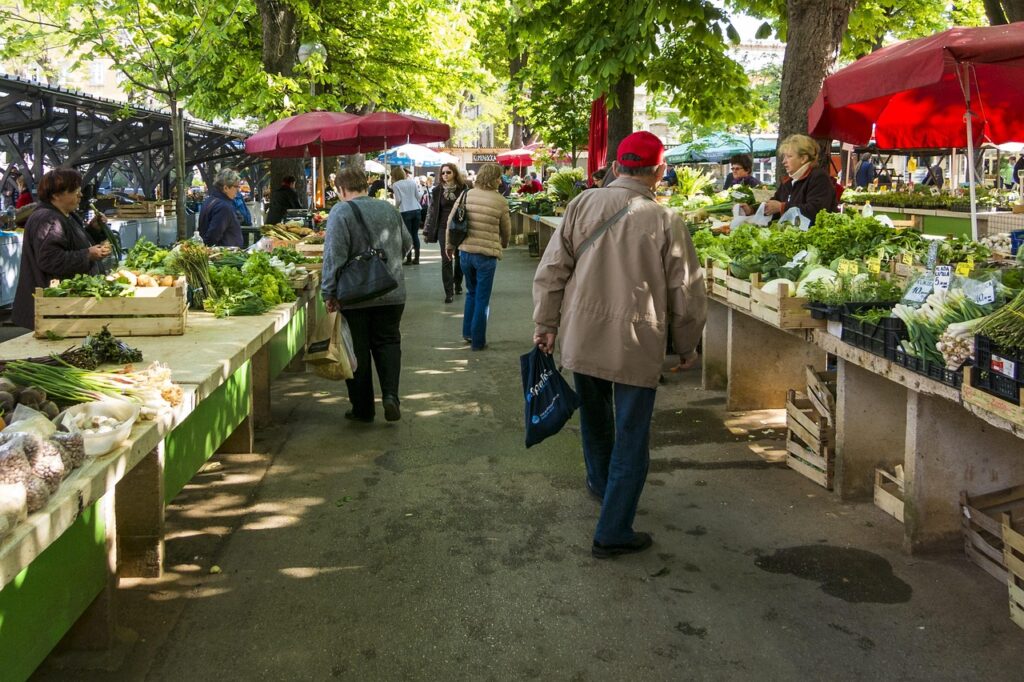
Establishing a local farmers market can be an arduous endeavor. It necessitates extensive effort, careful consideration and ample patience. However, with these resources at your disposal, success is within reach!
The initial step in planning for your community's needs is to assess its requirements. This can be accomplished through surveying local residents.
Find a Location
When starting a local farmers market, there are several things to take into account. The first is finding an appropriate location.
A prime location will draw in your desired customer base and accommodate your products. Furthermore, it allows for convenient opening and closing times when customers are most likely to shop.

Once you locate a market, be sure to inquire about booth space and vendor fees for new vendors. Doing this will give you an indication of its popularity as well as competition levels.
If you plan to sell food items at a farmers market, it is essential that you understand the necessary permits and licenses. Doing this ahead of time can save you from many hassles in the future.
Find Vendors
To make your market a success, you'll need farmers, gardeners and other vendors. Start by reaching out to local growers, crafters, artists and community garden organizers to see if they would be interested in selling at your event.
Once you've identified potential vendors, request their contact information and a description of their products. Additionally, observe their display and merchandising abilities.

Additionally, research whether the vendor offers food assistance or other programs and how they plan to promote your market. Doing this can help determine if this market is suitable for both you and your business.
Vendors and customers require a clear vision and sound business plan in order for a market to thrive. Without either, it may fail.
Set Up
Artists, gardeners, bakers or other local business owners may find success at setting up a farmers market in their area. Not only does this generate income for you but it provides an outlet to connect with customers who are interested in what you have to offer.
Before beginning to sell at a farmers market, be sure to understand its rules and costs. This includes any application or registration procedures as well as operational needs.

Another essential consideration is taking the time to understand how to correctly set up your stall. This step is essential for success at the farmers market, so make sure you do it right.
For instance, you can display a sign that reads "producer only." This ensures that only items created or grown by you may be sold; additionally, it prevents you from selling products that could potentially be resold at other markets.
Sell
Selling at local farmers markets is an ideal opportunity for small businesses to connect with their target audience and sell their wares. But it's not as straightforward as setting up a booth and displaying your items in front of customers. It takes more effort and planning to make this work successful.
To maximize your success, create a comprehensive business plan before entering the marketplace. This will enable you to decide on an overall direction for the venture, set prices appropriately and chart a path toward profitability.

Additionally, you must abide by state laws and health department guidelines for food handling and safety, register your business, and submit any required paperwork to the relevant authorities. In certain cases, you may even need a permit or license in order to sell at certain farmers markets.
Close
Farmers markets are an excellent place to get fresh produce such as fruits, vegetables, and other locally-grown goods. Not only that, but it's also an enjoyable opportunity to sample new foods and learn about how they're grown.
If you want to launch a local farmers market, there are several steps that must be taken: select an ideal location; secure vendors and set up shop; then, sell your products!

Many local farmers markets have been forced to close due to federal guidance that prohibits large gatherings and encourages social distancing. Maintaining these markets during this period is crucial for small family farms and food makers' continued survival.