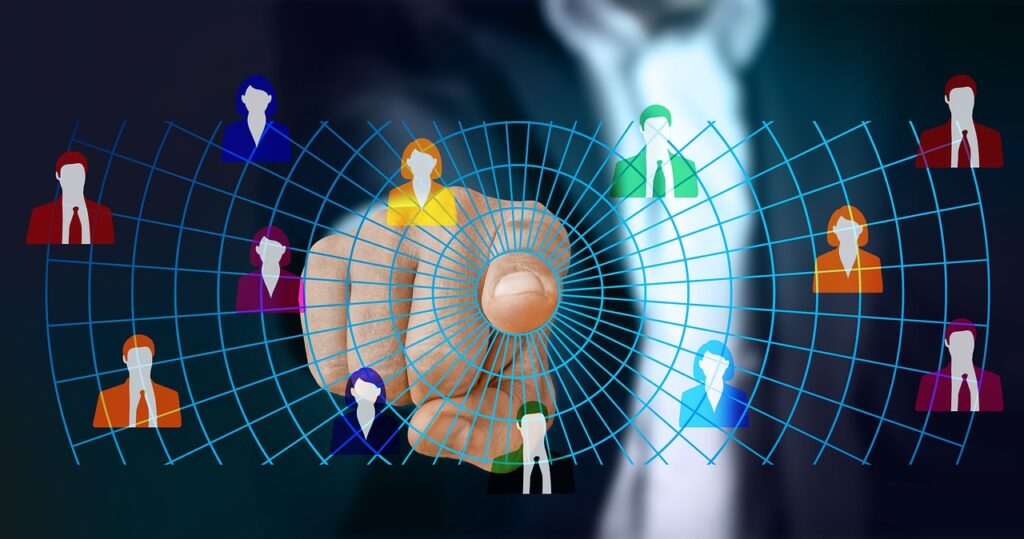
AI Developed For Medical Field

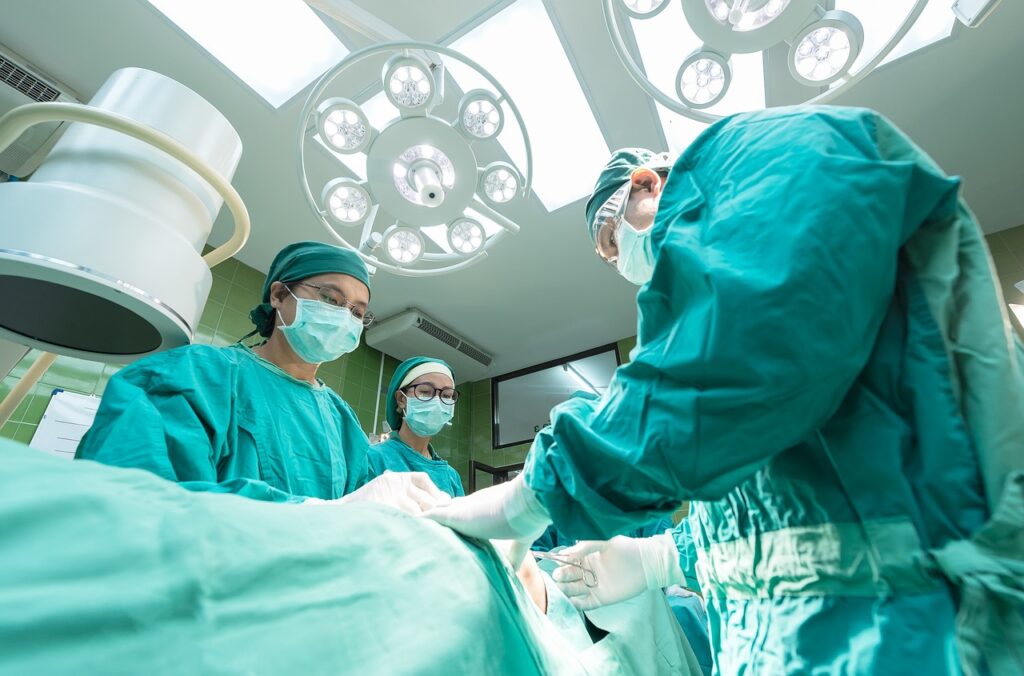
AI has been developed specifically for the medical sector to increase efficiency and productivity. From analyzing EMR data and lab images to health risk analysis and predictive disease detection, AI is now an integral part of healthcare delivery.
However, as AI becomes more widely utilized in healthcare, some potential issues arise. If an AI system isn’t properly trained with diverse data sets, it could make biased judgments.
Machine Learning
Machine learning is an artificial intelligence (AI) capable of sorting through vast amounts of data to predict which therapies will be most successful for patients. It has the potential to detect and prevent serious diseases like diabetes as well.
In the medical field, there is so much data that it can be overwhelming for humans to keep track of everything. Machine learning provides a solution for processing this vast array of data and organizing it in an organized format useful to clinicians and other healthcare professionals.

One major application of machine learning (ML) in healthcare is to make updating patient records simpler and faster. This not only saves time and money but also increases efficiency within hospitals.
Natural Language Processing
Natural Language Processing (NLP) is an advanced type of machine learning that employs algorithms to interpret text in order to make sense of it. It has applications across various fields such as health care and data science.
In the medical field, NLP can be utilized to extract information from electronic health records and monitor vital signs to detect early warning signs of health conditions.
NLP can be utilized to assist doctors in making more accurate diagnoses and creating treatment plans. It may also be employed for monitoring patients’ progress during rehabilitation.

When applying NLP in the medical field, there are several essential considerations such as regulatory compliance and privacy issues. It’s essential that all patient data be securely stored and any breaches promptly handled.
NLP applications in the medical field hold great promise to increase efficiency and cut costs within healthcare organizations, but are still early-stage technologies.
Deep Learning
Deep learning has been employed in the medical field to enhance treatment efficiency and cut costs by eliminating false diagnoses, providing more targeted pre-operative planning, and decreasing the risk of intraoperative complications. It’s also employed in predictive maintenance to determine when to repair faulty machines and factory input optimization – optimizing raw material usage.
Another application of deep learning in medicine is radiation oncology, which utilizes ionizing radiation to kill cancer cells. Researchers have utilized deep learning algorithms to reduce segmentation times and accurately predict treatment outcomes and toxicities.

This systematic meta-review provides a high-level overview of reviews and surveys on medical deep learning published in PubMed over the last three years (status as of August 2020). The search strategy encompasses both deep learning as well as related fields, such as clinical imaging and electronic medical records.
Artificial Intelligence
Artificial Intelligence (AI) has become increasingly prevalent in the medical field. Physicians benefit from AI by analyzing real-time data and patient histories to make clinical decisions more quickly.
AI has many applications in medicine, from telemedicine to healthcare administration. It also assists physicians in preventing hospitalizations and managing chronic illnesses.

Another notable application of AI in healthcare is radiology. This field utilizes it to help doctors detect diseases faster, with improved recall rates and accuracy levels.
Furthermore, AI tools can assist with preoperative planning and reduce the likelihood of false diagnoses. This reduces costs, boosts efficiency and avoids complications during surgeries.
It is essential to recognize the immense potential of AI in patient care. It can provide more effective treatment plans, accelerate drug development and give patients more agency.